Hybrid Log–Gamma (HLG) is one of those display terms that sounds intimidating until you see what it actually does. In simple terms, it is an HDR format designed to make video look better on modern HDR displays without completely breaking compatibility on older SDR screens. That balance is exactly why it matters.
I cover topics like this on whatismyscreenresolution.site because a lot of people assume screen quality is only about pixel count. After building screen tools and testing how the same content behaves across different monitors, TVs, and laptops, I can tell you that resolution is only part of the story. Two 4K displays can look very different if one handles brightness, contrast, and HDR properly and the other does not. HLG sits right in the middle of that conversation.
What makes HLG genuinely useful is that it was built for the real world, not just spec sheets. It gives broadcasters and content producers a practical HDR workflow, especially for live TV, sports, and fast-moving content where compatibility matters. That is why it keeps coming up whenever people compare SDR, HDR10, and broadcast-friendly HDR formats. If you want the simple version, HLG is the HDR format that tries to play nicely with both newer and older screens.
Also Read: Wide Color Gamut (WCG): The Hidden Reason Your Screen Looks More Vibrant
What Is Hybrid Log–Gamma (HLG)?
Hybrid Log-Gamma (HLG) is an HDR video format designed to improve brightness, contrast, and highlight detail on HDR displays while remaining more compatible with older SDR screens than many other HDR methods. It is widely used in live broadcast workflows because it reduces complexity while still delivering a more realistic image.
Technical Overview
HLG is best understood as a transfer function, which is just a technical way of saying it controls how brightness information is encoded and then displayed on a screen. The reason the format is called “hybrid” is that it does not treat the whole image the same way. Darker and midtone areas behave more like traditional TV gamma, while brighter areas stretch further to preserve HDR-style highlights.
That design is what makes HLG feel more practical than many people expect. Instead of forcing every display to follow a single aggressive HDR behavior, it gives the signal more flexibility. In real viewing terms, that usually means bright reflections, stadium lights, sunlight, and specular highlights can look more convincing without making the whole image unstable across different screens.
HLG is officially recognized in the ITU-R BT.2100 standard as one of the two approved HDR methods for HDR-TV production and international programme exchange. That matters because BT.2100 is the reference point many broadcasters and manufacturers rely on when they want different devices and workflows to stay compatible.
HLG was originally developed by the BBC and NHK, which is one reason it became so closely associated with practical broadcast workflows instead of purely cinema-style HDR mastering.
If you are already familiar with wide color gamut, HLG makes even more sense. It also helps to understand HLG in the broader context of HDR and SDR, because the real difference is not just brightness — it is how much more dynamic range and color volume HDR can preserve. That is why an HDR image often feels more lifelike than SDR even when the resolution stays the same.
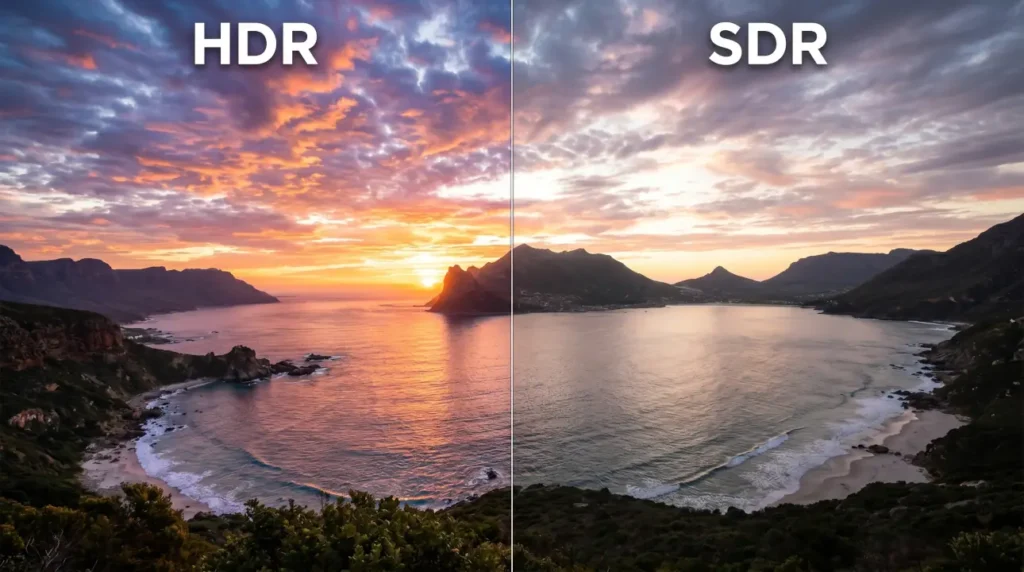
A simple way to picture HLG is this: it is a smarter HDR path for content that needs to survive the real world. Instead of assuming every viewer has the same display, HLG is built to adapt more gracefully across a wider range of screens. That is one of the biggest reasons broadcasters continue to prefer it for live and mixed-device environments.
Applications and Usage
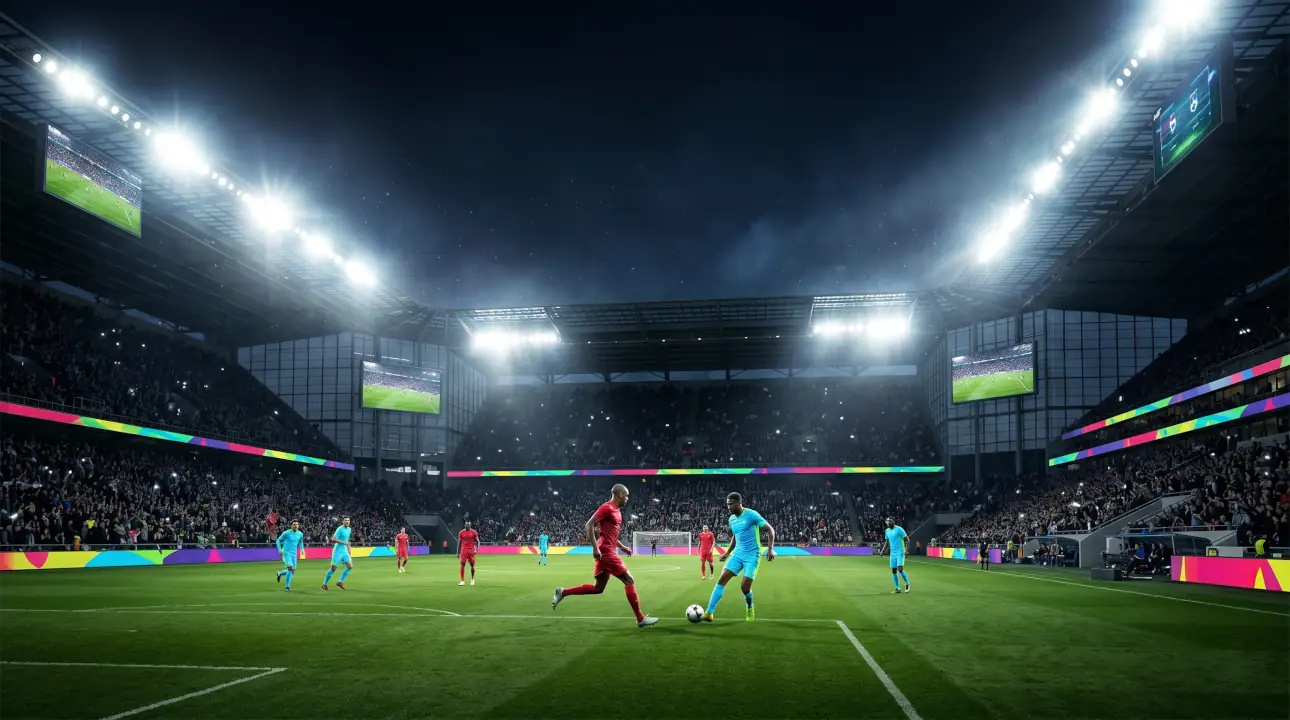
HLG is especially useful when the same video needs to reach a lot of different screens quickly. Think live sports, breaking news, award shows, concerts, and other broadcast-style events where there is no time for complicated display-by-display HDR tuning. That is where HLG earns its reputation.
In practical terms, HLG works well because it reduces the need for the kind of heavy display-specific correction that can make other HDR workflows more fragile. That also makes it easier to understand why tone mapping matters so much in other HDR formats, where display-specific adjustments can be more aggressive. If you have ever watched live HDR coverage that looked inconsistent from one TV to another, that is exactly the kind of problem HLG was designed to reduce.
For a screen-focused site like this, HLG matters because display quality is not only about resolution. I have seen plenty of people assume a 4K label automatically guarantees a premium picture, but that is not how it works in real use. A 4K panel can still look underwhelming if brightness handling, contrast control, and HDR implementation are weak. HLG belongs in that bigger conversation because it affects how those pixels actually look once the image hits the screen.
It is also a strong topic for readers who are trying to understand why two TVs showing the “same” content can look noticeably different. One may have proper HDR support and tone response, while another may technically accept the signal but render it with less impact. HLG helps explain that difference in a way regular users can understand.
When I compare HDR behavior across TVs and laptop panels, HLG is one of the easiest formats to explain because the difference is usually obvious in highlights and contrast, even to non-technical users.
HLG Format and Compatibility
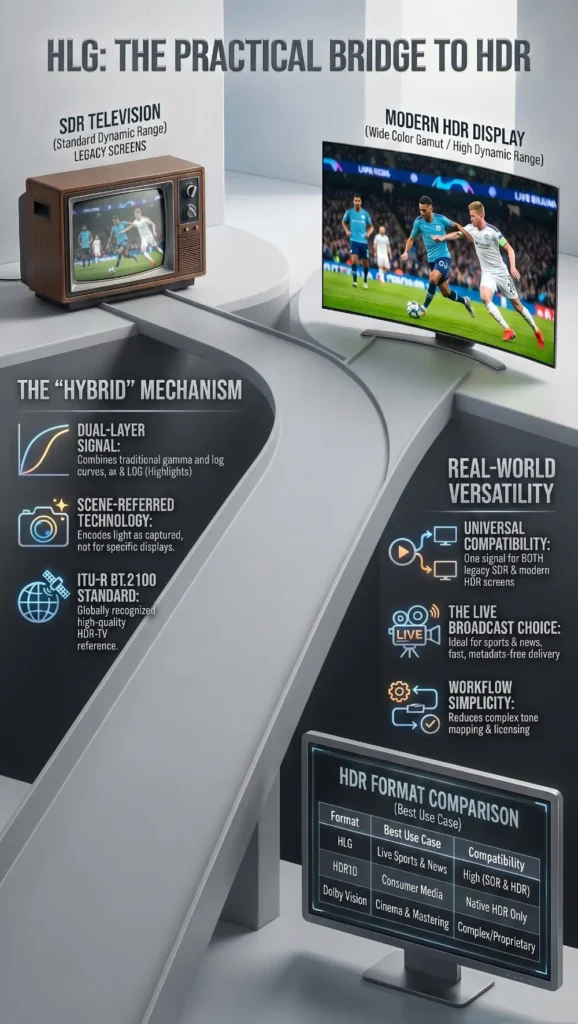
One of the biggest reasons HLG became important is backward compatibility. That phrase sounds technical, but the idea is simple: HLG is designed so older SDR displays can still show the content in a usable way instead of turning it into a complete mess. That is the core reason it is often described as a bridge between SDR and HDR.
In practical HDR workflows, HLG is commonly associated with wide color gamut delivery such as BT.2020 and 10-bit video pipelines, because HDR needs more than just brighter highlights. It also benefits from broader color reproduction and smoother gradation, which helps reduce visible banding and makes the extra dynamic range look more natural.
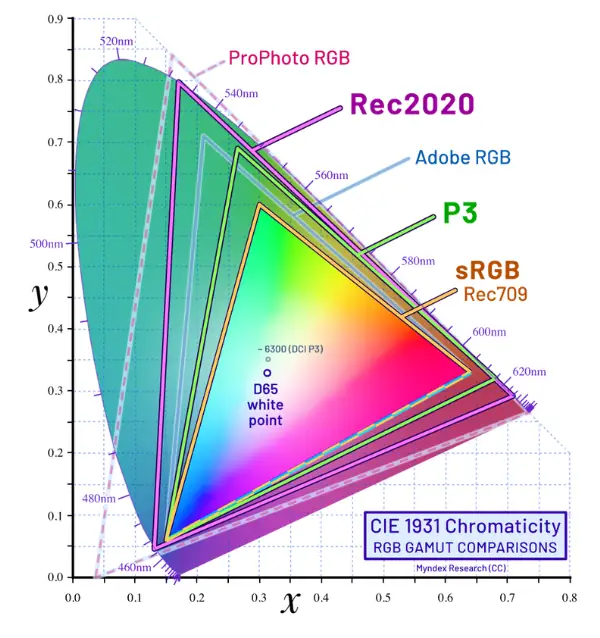
Compared with older SDR systems that are more closely associated with BT.709, HLG-era HDR workflows give the signal more room for both dynamic range and wider color reproduction.
This is also where HLG differs from some other HDR formats in a very practical way. It was built to stay closer to traditional television behavior, which makes it easier to fit into broadcast pipelines that still have to support mixed generations of equipment and displays.
Another important detail is that HLG is scene-referred, meaning it represents the light captured by the camera rather than being tightly tied to the output of a specific reference display. The BBC R&D HLG paper explains this especially well, and it is one of the best technical references if you want to understand why HLG feels more natural in conventional TV production workflows.
In practical terms, that means HLG is easier to carry through real broadcast systems without making the entire chain feel exotic. It still needs proper cameras, proper monitoring, and proper signal handling, but compared with more display-dependent HDR pipelines, it is usually the more forgiving option. That is why HLG keeps showing up in conversations about the best HDR format for live television.
Advantages of HLG
The biggest advantage of HLG is that it keeps HDR practical. If you are working with live content, you care about speed, reliability, and compatibility at least as much as raw visual punch. HLG gives you a better balance of those things than many more complicated HDR workflows.
It also works well in broadcast environments because, unlike some HDR formats, it does not depend as heavily on metadata-driven delivery to stay useful across different displays. That simplicity is one of the reasons HLG became so attractive for live production and mixed-device distribution.
Another part of its appeal is that it is generally seen as a more open, broadcast-friendly HDR approach, without the same licensing complexity that can come with some proprietary HDR ecosystems.
HLG also behaves well in mixed-screen environments. Viewers are not all watching on the same panel type, the same brightness level, or even the same generation of display hardware. HLG reduces the amount of display-specific correction needed, which makes the final result more predictable across a wider range of real devices.
That is why I usually describe HLG as the “less glamorous but more usable” HDR format. Personally, I think that tradeoff makes a lot of sense for broadcast content, because consistency is usually more valuable than chasing the absolute flashiest HDR demo look. It may not always be the most aggressively tuned option, but for broadcast, live production, and compatibility-sensitive delivery, it is often the smarter choice.
If you compare HLG with formats like HDR10 or Dolby Vision, the biggest difference is not just image quality — it is workflow philosophy. HLG is designed to survive the real world more gracefully, especially when content has to move fast from capture to delivery.
HLG vs HDR10, Dolby Vision, and PQ
When people compare HLG with HDR10, Dolby Vision, or PQ, the right choice usually depends on how the content is being delivered.
- HLG is usually the better fit for live broadcast, mixed-device compatibility, and simpler HDR workflows.
- HDR10 is more common for consumer media and on-demand content, but it is less focused on SDR compatibility.
- Dolby Vision can deliver more display-optimized HDR results, but it is more complex and less broadcast-friendly.
- PQ is a different HDR transfer approach that is more tightly tied to display-referred mastering, while HLG is scene-referred and better suited to traditional TV production pipelines.
If I had to simplify it, I would say HLG is usually the most practical choice when consistency and compatibility matter more than squeezing out the absolute most aggressively mastered HDR effect.
Support and Implementation
HLG is standardized in ITU-R BT.2100, which is important because standards are what keep different brands, devices, and workflows from interpreting HDR in completely different ways. Without that kind of common baseline, HDR support becomes much messier than most consumers realize.
Beyond ITU-R BT.2100, HLG also appears in broadcast-focused standards ecosystems such as ARIB, ATSC, and DVB, which is another reason it remains closely tied to television delivery and live production.
But in practice, HLG support depends on the entire chain, not just the screen. That includes the codec, the HDMI path, the playback app, and the streaming or broadcast platform — not just whether the TV itself has an HDR logo on the box. In real use, the camera, encoder, player, app, and display all need to interpret the signal correctly for HLG to look the way it should. This is the part many people miss when they assume “my TV supports HDR” means every HDR signal will look right automatically.
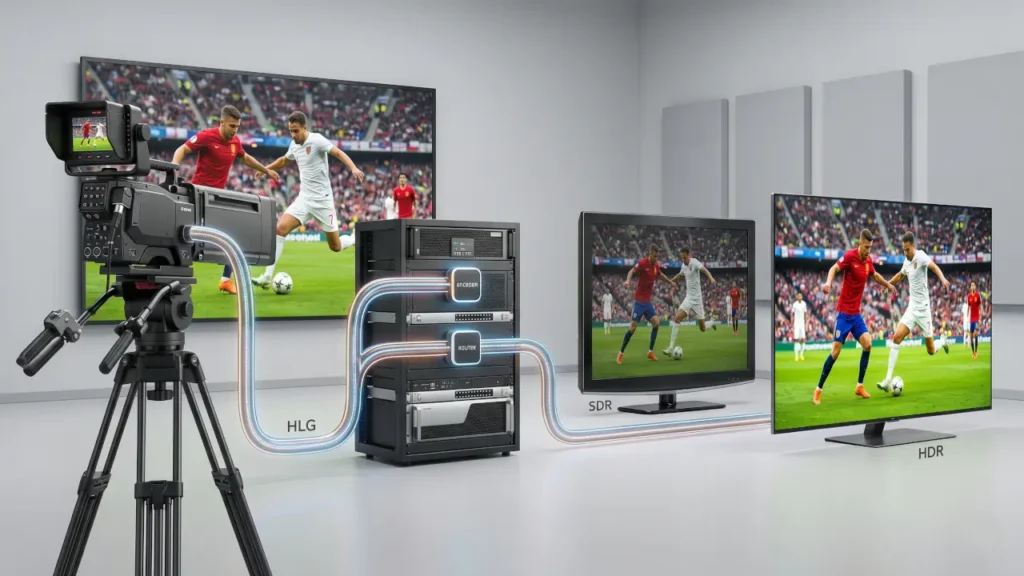
From a real-world troubleshooting perspective, that is where a lot of confusion starts. I have seen setups where the display technically supports HDR, but one app, one HDMI port, or one device setting prevents the content from being interpreted correctly. When HLG is explained to general users, that full-chain idea is worth emphasizing because it helps them understand why HDR sometimes feels inconsistent.
Also Read: 4K Resolution: The Hidden Reason Your Screen Looks Stunning
If you are publishing this topic for a broader audience, the best implementation advice is to keep it visual and practical: show how HLG sits between SDR and HDR, explain what changes in brightness and contrast, and make it clear that the final result depends on both the content and the display path.
Conclusion
Hybrid Log-Gamma is popular for a simple reason: it solves a real delivery problem. HDR should look better than SDR, but it also has to work in a world where not every screen, app, or broadcast path is equally modern. HLG handles that middle ground better than most people expect.
If I had to explain it in one sentence for regular users, I would say this: HLG is the HDR format built for usable compatibility, not just showroom impact. It gives newer HDR displays more range and realism while staying friendlier to older workflows and legacy screens than many alternatives.
For live TV, sports, news, and other fast-turnaround content, that practicality is exactly why it matters. And for readers on a screen-focused site, it is a good reminder that image quality is not just about resolution. Pixel count matters, but the way brightness, contrast, and HDR are handled can change the viewing experience just as much.